
Shifting the language of suffering
radical, collective honesty and mental health
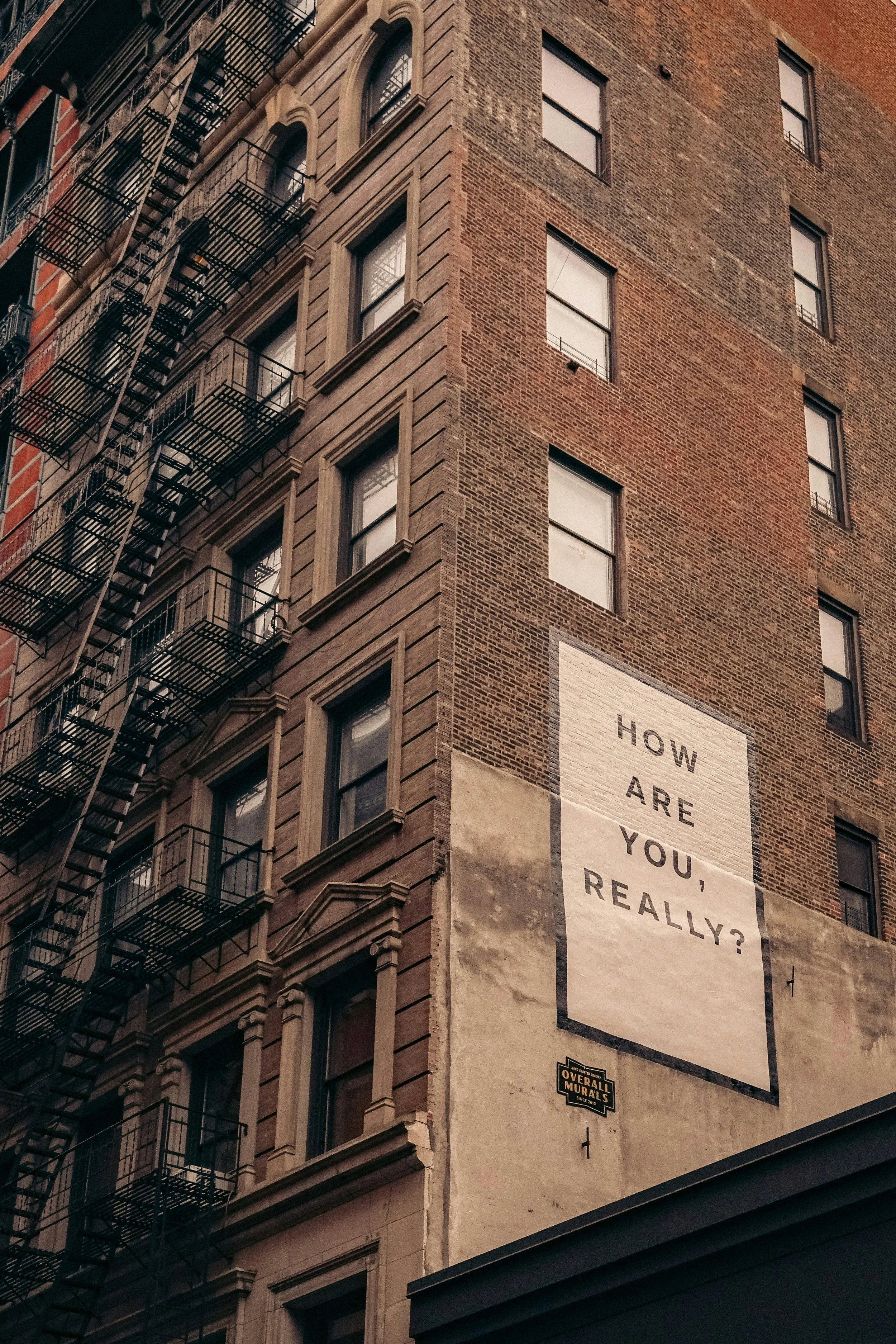
I’ve been working at the intersection of mental health and technology for over ten years. During that time, I witnessed the industry explode, fueled by a heady combination of AI, venture capital, and a global pandemic. Many of you know that much of that growth came without guardrails. And as a writer and marketer along for the ride, I’ve had to wrestle with some serious questions about how we talk about mental health.
At a time when suffering seems omnipresent, the pendulum of best practices regarding how we discuss it continues to ricochet. For example, not too long ago, it was commonplace to say that someone was “suffering from depression.” Now, we say that someone is “living with it.” We talk about mental health “concerns and conditions,” not “disorders and illnesses."
This shift represents an attempt to dismantle stigma and welcome a broader representation of human experiences into the conversation. It’s an effort I’ve enthusiastically cosigned because it targets some of the cruelest and most entrenched barriers to care. But lately, I’ve been less sure about it. I wonder if, in our efforts to uplift and encourage, we've somehow sanitized the truth in a way that, ironically, undermines the message of hope we’ve tried to convey.
Denying the swiftness of the current doesn’t make it any easier to swim against it. We might spend our lives waiting for calmer seas. And when our limbs are very tired, it might be tempting to climb aboard the USS Good Vibes Only. But in my experience, that ship has some serious leaks.
To be clear, you deserve respite wherever you can find it, and I’m not here to tell you how to talk about your mental health. But I would encourage you to think about it. I would also invite you to give yourself permission to honor and name your suffering in whatever way feels right to you. Telling your full, unpretty truth does not mean taking personal responsibility for the structural inequalities that make it harder to simply exist.
I make these suggestions with no illusions about how difficult they may be. In addition to working in the industry, I myself am a person who lives with mental illness. This experience has involved no shortage of suffering. However, it’s also provided me with a deep well of empathy for everyone else who’s trying to keep their head above water.
There’s no denying that mental health struggles can seem insurmountable, especially when a person’s symptoms are severe and they don’t have support. But I’d like this message to serve as a reminder that suffering can exist alongside joy, peace, humor, creativity, community, and many other earthly delights.
As an American woman writing this in 2025, I’m acutely aware of the mental health crisis we’re facing. It’s a multilayered and, unfortunately, politicized problem, and I don’t pretend to know how to fix it. But I do see collective, radical honesty as one of the few tools we have to shift the tides. I offer that, in giving voice to our darkness (while leaving room for some light), it might be a little easier for us all to stay afloat, even when the shore feels very far away.